top of page

Beyond the Standard Model: Regulation, Connection, and a Gentler Way
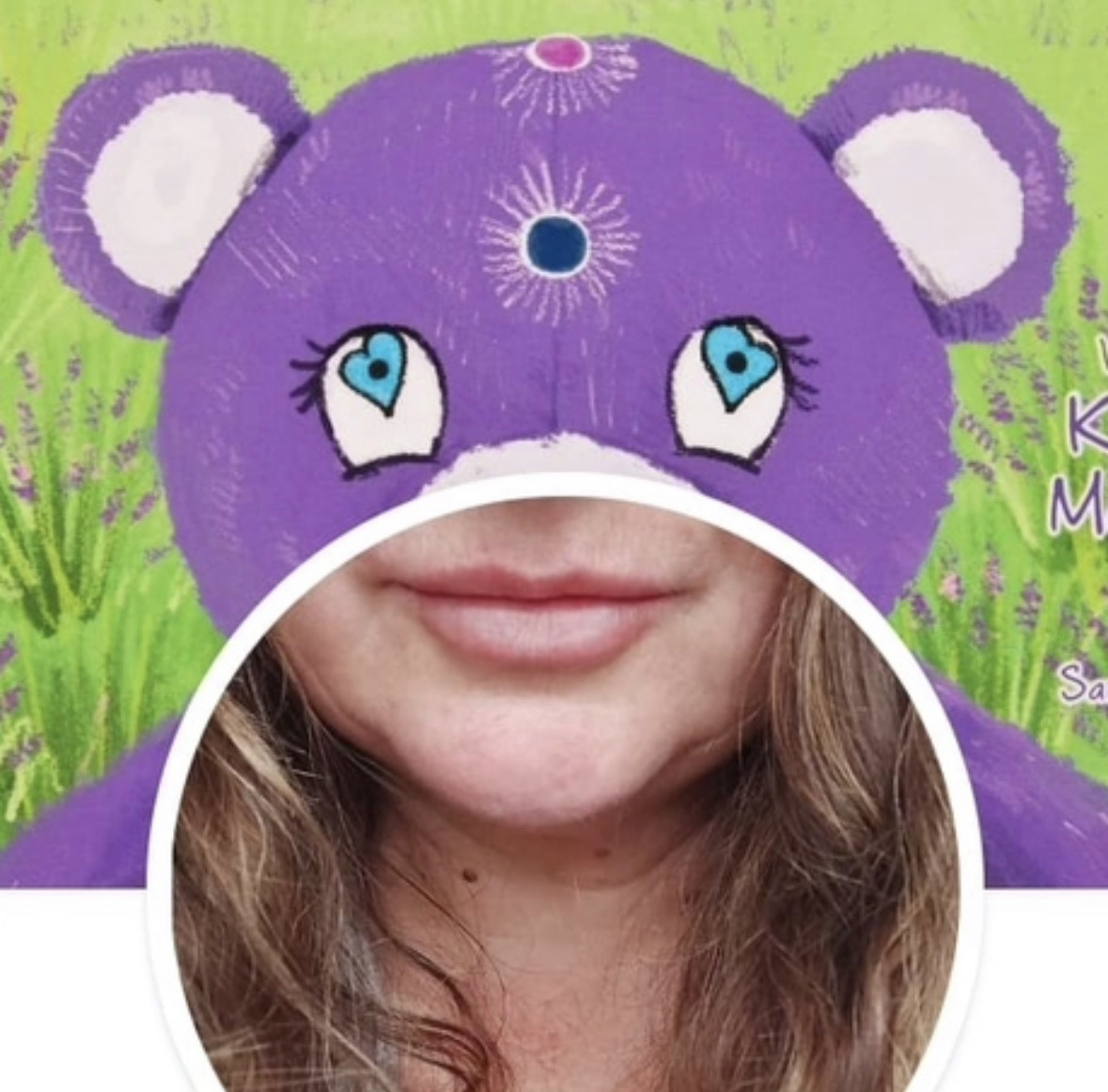
Lavenderbuddy Sensory Bear with Transition Backpack and Affirmation Cards
£45.00
Buy Now

For many decades, almost everything we knew about how the nervous system works including how we handle stress, calm down, or support children, was built almost entirely on studies of males.


Researchers once believed female biology was “too variable” to study reliably, due to hormonal cycles. So they used mostly male animals and men in trials, assuming results would apply equally to everyone. A landmark review found that in neuroscience research, single‑sex studies of males outnumbered those of females more than 5 to 1.

Even early work on autonomic regulation, heart rate variability, and the foundations of Polyvagal Theory was built largely from this male centred base.

Stephen Porges’ framework remains incredibly useful, but its early data came from a time when the male standard was the unspoken rule.


Because of this history, the main story we were told about stress was simple:

Fight or flight and we react, we survive, we try to regain control and and this is often what gets passed on to parents, advice that focuses on managing behaviour or “calming things down” as if you and your child are meant to switch off that alarm signal through willpower or routine alone.


But there is another way, one that science missed until recently, yet has been part of human survival forever.


Tend and Befriend: The Response We Were Actually Looking For


In 2000, researcher Shelley Taylor published work that changed this view. She described how, for half of our species especially, stress triggers something different: Tend‑and‑Befriend.


• Tending: When things feel hard, our instinct is to nurture, soothe, and protect to keep those we love close and safe.


• Befriending: We seek connection, lean on others, or offer support because safety grows when we are together.


This is not softer or weaker, it is brilliant biology.

Millions of years ago, a caregiver could not easily fight or run while looking after little ones.

Keeping children close, calm, and within a trusted group gave the best chance of survival.


Where the fight or flight floods the body with adrenaline and cortisol, tend‑and‑befriend releases oxytocin the “hug hormone”.

This lowers stress levels, slows the heart, and quietens the alarm. It is boosted by safe touch, steady pressure, gentle scents, soft voices, or simply being near someone you trust. It works for everyone, but research shows hormones like oestrogen make us extra sensitive to its effects.


🤍 Why this changes how we think about co‑regulation


There is often a heavy expectation placed on parents: “You must regulate yourself first so you can help your child.”

But if both of you are in overwhelm, and the model you are working from is based on controlling that reaction and it can feel feel impossible, because you cannot easily move from fight‑or‑flight when you are already in it.


This is where Tend‑and‑Befriend offers a bridge.

You do not have to fix the state you are in immediately.

Instead, you can reach toward connection and that includes reaching for something safe, soft, and steady.


🤎 Alice Miller: Truth, Feelings, and How Lavender Buddy Answers Her Call


The psychologist Alice Miller spent her life showing us what children truly need and how old ways of parenting often ask them to hide their truth to be loved and her wisdom shows us exactly what Lavender Buddy was created to be.


“A child can experience her feelings only when there is somebody there who accepts her fully, understands her, and supports her.”

— Alice Miller

Lavender Buddy never judges, never tells a child to “calm down” or “stop crying”. He is soft, steady, and always there a safe presence to hold, rest against, or pour big feelings into.

Through multi‑sensory touch, gentle weight, and familiar scent, he signals: “Whatever you feel is okay. You are safe here.”


“The child has a primary need to be regarded and respected as the person he really is at any given time.”

— Alice Miller

He does not demand behaviour or obedience. He meets each child where they are, whether they need a tight hug, quiet time, or something to hold while they breathe. He supports their unique sensory needs rather than expecting them to fit a standard way of being.


“The truth about our childhood is stored in our body. We can repress it, but we can never alter it until we listen.”

— Alice Miller

Lavender Buddy speaks directly to the body, where feelings live. His steady weight gives proprioceptive safety; lavender’s natural compounds linalool and linalyl acetate, gently help the nervous system settle, whether you love the scent or not.

I have another Blog post on this.

He helps create a quiet space where body and breath can begin to tell their truth without words.


“The more we refuse to acknowledge our own childhood pain, the more we pass it on unconsciously.”

— Alice Miller

He helps parents too. When you are both in overwhelm, he is that first small bridge toward connection ,letting you reach for safety instead of falling into old patterns. He reminds us that you do not have to “fix” everything at once; you just need to be there, together.


Comments


bottom of page